
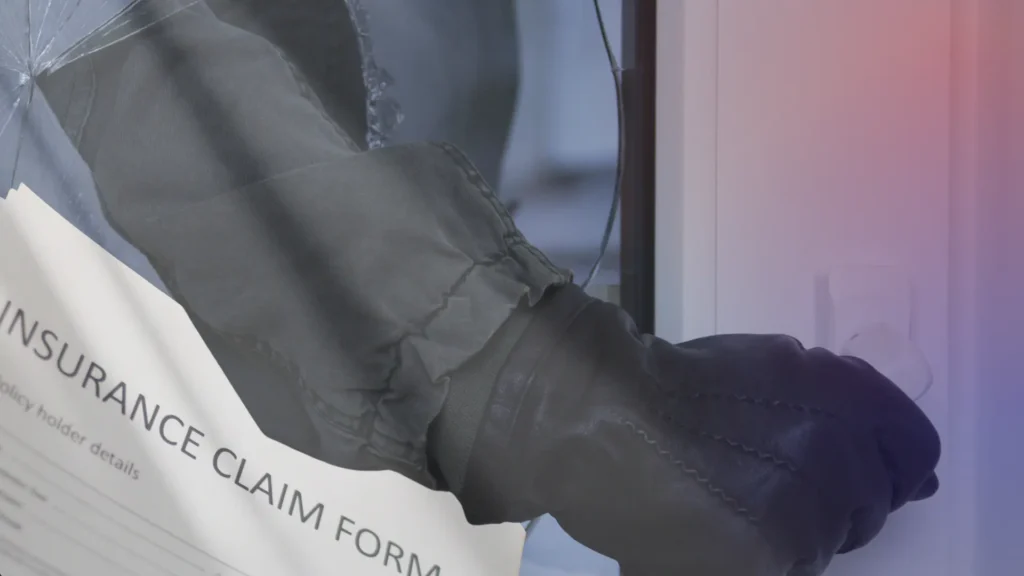
Vandalism can leave Rhode Island property owners dealing with broken windows, damaged doors, graffiti, interior destruction, and theft-related losses. Understanding how to document the damage, report the incident, and navigate a vandalism insurance claim can help protect your interests throughout the claims process.
What Rhode Island Property Owners Should Know About Vandalism Insurance Claims
Discovering that someone intentionally damaged your home, rental property, or business can be frustrating and disruptive. Beyond securing the property and cleaning up the damage, you may also need to document the loss, file a police report, arrange emergency repairs, and notify your insurance company.
A vandalism insurance claim in Rhode Island can involve much more than repairing one broken window or repainting a wall. Depending on the incident, damage may extend to doors, locks, flooring, fixtures, electrical components, equipment, and other parts of the property.
Understanding what happened and documenting the complete extent of the damage are important first steps in the insurance claim process.
Does Property Insurance Cover Vandalism in Rhode Island?
Many property insurance policies provide some form of coverage for vandalism or malicious damage, but coverage depends on the individual policy and circumstances surrounding the loss.
Important considerations may include:
- The type of property
- How the property was being used
- Whether the property was occupied
- How long the property may have been vacant
- What caused the damage
- Whether theft occurred during the incident
- Policy exclusions and limitations
Property owners should review their individual policy rather than assume every vandalism-related expense will automatically be covered.
Common Types of Vandalism Property Damage
Vandalism can range from relatively minor exterior damage to extensive destruction throughout a property.
The insurance claim should accurately document each affected area rather than focusing only on the most obvious damage.
Broken Windows and Doors
Windows and doors are frequently damaged during vandalism, attempted break-ins, and other unauthorized entry.
Damage may include:
- Broken glass
- Damaged window frames
- Cracked or broken doors
- Damaged locks
- Destroyed door frames
- Damaged trim
- Broken security hardware
The loss may extend beyond replacing the broken component. Damage to surrounding walls, flooring, fixtures, or other building materials should also be documented.
Interior Property Damage
Once someone gains access to a property, vandalism can spread throughout the interior.
Interior losses may include:
- Damaged drywall
- Broken cabinets
- Destroyed fixtures
- Damaged flooring
- Broken plumbing fixtures
- Electrical damage
- Damaged appliances
- Destroyed furniture
- Damage to personal or business property
Photographing each affected room individually can help establish the complete scope of the loss.
Theft-Related Damage and Vandalism Claims
Vandalism and theft sometimes occur during the same event, but they are not necessarily treated identically under an insurance policy.
For example, someone entering a property may damage:
- Doors
- Windows
- Locks
- Cabinets
- Security systems
- Interior finishes
They may also remove personal property, equipment, or other belongings.
Document the physical property damage separately from items believed to have been stolen.
A detailed inventory of missing property may include:
- Item descriptions
- Approximate purchase dates
- Receipts when available
- Photographs showing ownership
- Model and serial numbers
- Estimated replacement costs
The availability and extent of theft coverage will depend on the applicable insurance policy.
Graffiti and Exterior Vandalism
Graffiti may appear straightforward to repair, but removing paint or other substances can sometimes damage the underlying building material.
Affected surfaces may include:
- Brick
- Concrete
- Stucco
- Siding
- Doors
- Windows
- Signs
- Fencing
Depending on the material and severity of the vandalism, restoration may involve professional cleaning, repainting, refinishing, or replacement.
Before cleaning or repainting the area, take clear photographs of the damage.
Commercial Vandalism Insurance Claims
Vandalism can be especially disruptive for Rhode Island businesses and commercial property owners.
A commercial incident may affect:
- Storefront windows
- Entry doors
- Interior fixtures
- Office equipment
- Inventory
- Security systems
- Signage
- Commercial machinery
- Business personal property
Property damage may also temporarily interfere with normal operations.
Commercial vandalism claims can become complicated when the same event affects the building, business property, inventory, and security systems.
Learn more about our commercial and business insurance claim services.
What Should You Do After Discovering Vandalism?
Safety should come first. If you believe the property may still be unsafe or someone may still be inside, avoid entering and contact the appropriate authorities.
Once it is safe to evaluate the property, consider the following steps.
1. Report the Incident to Police
Contact local law enforcement and report the vandalism.
The responding agency may provide:
- A police report
- Incident number
- Officer information
- Documentation related to the event
Keep this information with your insurance claim records.
2. Photograph and Video the Property
Document the property before cleanup or permanent repairs whenever safely possible.
Capture:
- Wide photographs of each affected area
- Close-up images of individual damage
- Broken entry points
- Interior damage
- Graffiti
- Damaged belongings
- Missing property areas
- Exterior property damage
Video can also help establish the overall condition of the property immediately after the incident.
3. Protect the Property From Additional Damage
Broken doors and windows may leave a building exposed to weather, theft, or additional vandalism.
Reasonable temporary measures may include:
- Boarding broken windows
- Securing damaged doors
- Installing temporary locks
- Covering exposed openings
Document the condition before emergency work begins and save receipts for temporary repairs.
4. Create a Damage Inventory
Prepare a written list of damaged property.
Depending on the loss, record:
- What was damaged
- Where it was located
- Approximate age
- Condition before the incident
- Available receipts
- Photographs
- Replacement information
Keeping an organized inventory can make the claim easier to review.
5. Notify Your Insurance Company
Report the incident according to the requirements of your insurance policy.
Keep records of:
- Claim number
- Date reported
- Adjuster’s name
- Emails and letters
- Inspection dates
- Documents submitted
- Requests from the carrier
An organized claim file can become particularly important if questions arise later.
Why Is a Police Report Important for a Vandalism Insurance Claim?
A police report provides independent documentation that the incident was reported to law enforcement.
Insurance companies may request information concerning:
- When the vandalism was discovered
- When police were contacted
- How entry occurred
- What property was damaged
- Whether anything was stolen
- Whether a suspect was identified
The police report does not replace your own property documentation.
Property owners should still photograph the damage, maintain inventories, save receipts, and preserve other evidence related to the loss.
What Documentation May Be Needed for a Vandalism Claim?
Insurance companies may request different information depending on the property and severity of the loss.
Useful documentation may include:
- Police reports
- Photographs
- Videos
- Contractor estimates
- Emergency repair invoices
- Receipts
- Property inventories
- Proof of ownership
- Security camera footage
- Alarm records
- Previous property photographs
- Maintenance records
- Insurance company correspondence
Do not rely exclusively on the insurance company’s inspection to create a record of the damage.
Maintaining your own documentation helps preserve information about the property’s condition immediately after the event.
Why Vandalism Insurance Claims Can Become Complicated
A vandalism claim may involve disagreements over more than whether an incident occurred.
Questions can arise regarding:
- Whether particular damage resulted from vandalism
- Whether damaged materials require repair or replacement
- The value of damaged property
- Whether stolen items are covered
- The condition of the property before the incident
- Vacancy or occupancy provisions
- The cost of emergency repairs
- Whether certain damage was pre-existing
These issues become especially important when vandalism causes extensive damage throughout a residential or commercial property.
What If the Vandalism Insurance Claim Is Denied or Underpaid?
If an insurance company denies some or all of a vandalism claim, review the carrier’s explanation carefully.
Start by identifying:
- The reason given for the decision
- Policy provisions cited by the carrier
- Damage included in the insurance estimate
- Damage that may have been omitted
- Differences between contractor and carrier estimates
- Documentation that may still be needed
Do not assume a denial and an underpayment are the same.
A denied claim generally involves a coverage decision, while an underpaid claim may involve disagreement about the scope or value of damage the carrier has agreed is covered.
Learn more about why property insurance claims get denied in Rhode Island.
When Can a Public Adjuster Help With Vandalism Damage?
A public adjuster represents the policyholder during the property insurance claim process.
Depending on the circumstances, a public adjuster may assist by:
- Inspecting vandalism damage
- Documenting affected areas
- Reviewing claim information
- Preparing detailed repair estimates
- Organizing supporting documentation
- Communicating with the insurance company
- Negotiating the property damage claim
Professional representation may be worth considering when:
- The vandalism caused extensive damage
- Multiple areas of the property were affected
- The insurance estimate appears incomplete
- Repair and replacement costs are disputed
- Commercial property was damaged
- Important damage appears to have been omitted
- The claim becomes difficult to manage
- The claim has been denied or appears underpaid
Learn more about working with a public adjuster in Rhode Island.
Vandalism Claims for Rhode Island Homes and Rental Properties
Vandalism does not only affect commercial buildings.
Residential incidents may occur at:
- Single-family homes
- Rental properties
- Multi-family residences
- Condominiums
- Investment properties
- Seasonal residences
Landlords and investment property owners should pay particular attention to policy provisions involving occupancy and vacancy, as these conditions may affect coverage depending on the policy.
For additional information, visit our residential property claims page.
Frequently Asked Questions About Vandalism Insurance Claims in Rhode Island
If you still have questions about a vandalism insurance claim in Rhode Island, contact L & M Public Adjusters. Our team can discuss the circumstances of your property damage and explain how professional claim assistance may be able to help.
Is vandalism covered by homeowners insurance in Rhode Island?
Many homeowners insurance policies provide coverage for certain vandalism losses, but coverage depends on the individual policy and circumstances. Exclusions, vacancy provisions, and other policy conditions may affect whether a particular loss is covered.
Do I need a police report for a vandalism insurance claim?
Insurance companies may request a police report or incident information when evaluating a vandalism claim. Reporting the incident to law enforcement also creates an independent record of when the vandalism was discovered and reported.
Should I clean up vandalism before the insurance adjuster arrives?
Safety and preventing additional damage should come first. When possible, thoroughly photograph and video the damage before cleanup or permanent repairs begin. Keep records and receipts for emergency work.
Does vandalism insurance cover broken windows and doors?
Coverage depends on the policy and circumstances of the incident. Broken windows, doors, locks, frames, and related building damage may be part of a vandalism claim when the loss is covered.
Does vandalism insurance cover stolen property?
Theft and vandalism may occur during the same event, but coverage for stolen property depends on the policy. Document missing items separately and provide available evidence of ownership and value.
Can a public adjuster help with a vandalism insurance claim?
Depending on the size and complexity of the loss, a public adjuster may assist with inspecting damage, preparing estimates, organizing documentation, communicating with the carrier, and negotiating the property claim on behalf of the policyholder.