
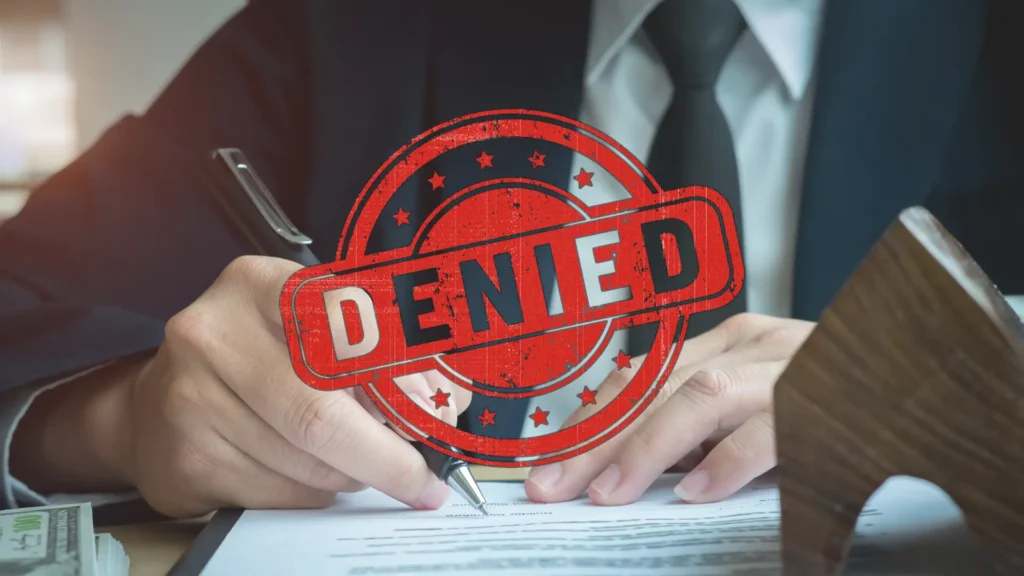
A denied property insurance claim can leave Rhode Island homeowners unsure of what to do next. Insurance claims may be denied for many reasons, including coverage exclusions, disputes over the cause of damage, maintenance issues, late reporting, or insufficient documentation. Understanding the reason for a denial is an important first step toward determining your options.
Receiving a letter stating that your property insurance claim has been denied can be frustrating, especially when your home has suffered significant damage.
However, an insurance claim denial does not necessarily mean the issue is simple or that you fully understand why the carrier reached its decision.
Property insurance policies contain conditions, exclusions, coverage limits, definitions, and other provisions that can affect how a claim is evaluated. Disagreements can also arise over what caused the damage, when it occurred, and whether the loss falls within the policy’s coverage.
If you are dealing with a denied property insurance claim in Rhode Island, start by understanding the carrier’s stated reason for the denial and how it relates to the circumstances of your loss.
Why Do Property Insurance Claims Get Denied?
There is no single reason an insurance company may deny a property damage claim.
Common issues include:
- The cause of damage is excluded by the policy
- The carrier believes the damage resulted from wear and tear
- The loss was reported too late
- The insurance company requests additional documentation
- The cause of the damage is disputed
- The carrier believes damage occurred over an extended period
- Policy conditions were not satisfied
- The policy was not active when the loss occurred
- The carrier determines the claimed damage was not caused by the reported event
The specific reason matters because the appropriate next step will depend on the policy, the loss, the available evidence, and the carrier’s explanation.
1. The Cause of Damage Is Not Covered
Property insurance generally does not cover every possible source of damage.
Policies identify covered causes of loss while also containing exclusions and limitations.
For example, a homeowner may discover water inside the property and assume that all water damage is treated the same way. In reality, coverage may depend heavily on how the water entered the property and what caused the loss.
The same principle can apply to roof, fire, storm, and other property claims.
If your claim is denied because of an exclusion, review the specific policy language cited in the denial and determine whether the carrier’s description of the cause of damage accurately reflects what occurred.
2. The Insurance Company Attributes the Damage to Wear and Tear
One common source of disagreement is whether damage resulted from a sudden covered event or long-term deterioration.
Property insurance policies generally distinguish accidental losses from ordinary maintenance problems.
An insurer may attribute damage to:
- Aging materials
- Deterioration
- Corrosion
- Rot
- Long-term leakage
- Lack of maintenance
- Existing property defects
Consider a roof that begins leaking after severe weather. The homeowner may believe the storm damaged the roof, while the carrier may conclude that deterioration allowed water to enter.
That difference in determining the cause of loss can significantly affect the claim decision.
3. There Is a Dispute Over What Actually Caused the Damage
Sometimes the existence of damage is obvious, but its cause is not.
This is particularly common with water and roof claims.
For example, interior water damage could potentially be associated with:
- A damaged roof
- Plumbing failure
- An appliance leak
- Wind-driven rain
- A burst pipe
- Long-term seepage
- Failed flashing
- Another building component
The cause can be critical because different policy provisions may apply.
When causation is disputed, photographs, contractor findings, inspection reports, weather information, and other documentation may help establish what happened.
4. The Property Damage Was Reported Late
Insurance policies generally contain requirements regarding notice of a loss.
Waiting too long to report property damage can create problems because conditions may change and evidence can disappear.
For example:
- Damaged materials may be removed
- Water may dry
- Temporary repairs may alter the property
- Debris may be discarded
- Contractors may begin reconstruction
- Additional damage may develop
Prompt reporting and documentation can make it easier to establish what the property looked like immediately following the loss.
If you discover property damage, review your policy and applicable reporting requirements rather than assuming it is safe to wait.
5. There Is Not Enough Documentation
A property insurance claim generally requires more than simply telling the insurance company that something was damaged.
The extent of the loss may need to be supported with documentation such as:
- Photographs
- Videos
- Repair estimates
- Contractor reports
- Personal property inventories
- Receipts
- Invoices
- Inspection reports
- Maintenance records
- Emergency repair documentation
Insufficient documentation can make it more difficult to establish what was damaged, how it was damaged, and what repairs may be necessary.
Document the Damage Before Repairs When Possible
Safety and preventing additional damage should come first. However, when conditions allow, photograph and video damaged areas before materials are removed or permanent repairs begin.
Keep copies of everything related to the claim.
6. The Insurance Company Says the Damage Existed Before the Loss
Another reason a home insurance claim may be denied is a disagreement about when the damage occurred.
The carrier may believe some or all of the damage existed before the reported incident.
This can become an issue with:
- Roof damage
- Water stains
- Mold
- Structural deterioration
- Repeated leaks
- Damaged siding
- Older building materials
Previous inspection reports, photographs, maintenance records, contractor documentation, and other evidence may become important when there is a disagreement about the property’s condition before the loss.
Why Are Water Damage Claims Denied?
Water damage claims can be particularly complicated because coverage often depends on the source and circumstances of the water.
A denied water damage claim may involve questions about:
- Sudden versus long-term leakage
- Plumbing failures
- Frozen or burst pipes
- Appliance leaks
- Roof leaks
- Groundwater
- Flooding
- Seepage
- Maintenance
- Mold resulting from water damage
For example, damage resulting from a sudden plumbing event may be evaluated differently from damage the carrier determines developed gradually.
This is why identifying and documenting the source of water damage can be so important.
Learn more about water damage claims.
Why Are Fire Damage Claims Denied?
Although a major fire may appear straightforward, fire insurance claims can involve complex investigations.
A denied fire damage claim may involve questions regarding:
- The cause and origin of the fire
- Policy exclusions
- The property’s use
- Information provided during the investigation
- Damaged personal property
- Documentation of ownership
- Whether particular items were affected by the fire
Fire losses can also include much more than direct flame damage.
Smoke, soot, water used during firefighting, damaged contents, and temporary living expenses may all become part of a larger property claim depending on the circumstances and coverage.
Learn more about fire damage claims.
Can Storm or Roof Damage Claims Be Denied?
Yes. Storm and roof claims can involve significant disagreements about causation.
The insurance company may acknowledge that a roof is damaged but disagree that the reported storm caused the condition.
Questions can involve:
- Wind damage
- Missing shingles
- Fallen trees
- Hail
- Aging roofing materials
- Previous repairs
- Flashing
- Existing deterioration
- Interior water intrusion
A disagreement may also arise over whether a damaged component can be repaired or requires replacement.
Documenting exterior damage and resulting interior damage can be particularly important after severe weather.
Learn more:
Denied vs. Underpaid Property Insurance Claims
A denied claim and an underpaid claim are not the same thing.
Denied Claim
The insurance company determines that some or all of the claimed loss is not covered and refuses payment for that portion of the claim.
Underpaid Claim
The carrier accepts that covered damage occurred but the property owner believes the settlement does not account for the complete scope or reasonable cost of the covered repairs.
Examples of potential underpayment disputes can include:
- Missing areas of damage
- Lower repair quantities
- Repair instead of replacement
- Differences in material pricing
- Differences in labor costs
- Omitted personal property
- Disagreement over the scope of restoration
Understanding which type of dispute you are facing can help determine what information should be reviewed next.
What Should You Do If Your Insurance Claim Is Denied?
If your Rhode Island property insurance claim has been denied, avoid making assumptions about what the denial means.
Instead, take a systematic approach.
1. Read the Denial Letter Carefully
Identify exactly why the carrier says the claim is not covered.
Look for references to specific policy provisions, exclusions, conditions, or findings from the insurance company’s investigation.
2. Review Your Insurance Policy
Compare the carrier’s explanation with the applicable portions of your policy.
Property insurance policies can be complicated, so make sure you understand the provisions being cited.
3. Gather Your Claim Documentation
Organize:
- Photographs
- Videos
- Estimates
- Contractor reports
- Inspection reports
- Receipts
- Correspondence with the carrier
- Previous property records
- The carrier’s estimates and reports
4. Review the Cause of Loss
If the denial involves causation, determine what evidence exists regarding what actually caused the damage.
A contractor or other qualified professional may have information that differs from the insurance company’s conclusions.
5. Identify Missing Information
Determine whether additional evidence could clarify the loss.
For example, a denial based on long-term damage may need to be evaluated against photographs, maintenance records, contractor findings, or evidence of a specific event.
6. Keep Communication in Writing
Maintain organized records of correspondence regarding the denial and any request for reconsideration or additional review.
Can You Challenge a Denied Property Insurance Claim?
Depending on the circumstances, additional documentation or information may provide a basis for further review of a denied claim.
The fact that a carrier initially denies a claim does not necessarily tell you whether additional information exists that could affect the evaluation.
However, it is equally important not to assume that every denied claim can or should be overturned.
The key questions are:
- Why was the claim denied?
- What does the policy say?
- What evidence supports the cause of loss?
- Is important documentation missing?
- Does the carrier’s description match what actually occurred?
Those questions should be evaluated based on the specific facts of the claim.
When Can a Public Adjuster Help With a Denied Insurance Claim?
A public adjuster represents the policyholder rather than the insurance carrier.
Depending on the circumstances and status of the claim, a public adjuster may be able to help evaluate issues involving property damage, claim documentation, estimates, and the scope of the loss.
Professional assistance may be worth considering when:
- The loss is substantial
- The reason for the denial is unclear
- The carrier disputes the cause of damage
- Important damage appears to have been overlooked
- Contractor findings differ from the insurance company’s conclusions
- Part of the claim was denied while other damage was accepted
- The claim involves several categories of property damage
- You need help understanding the documented scope of the loss
L & M Public Adjusters represents residential and commercial policyholders throughout Rhode Island.
Get Help Understanding a Denied Property Insurance Claim in Rhode Island
A denied insurance claim can involve complicated questions about coverage, causation, property conditions, documentation, and the extent of damage.
Before assuming that nothing else can be done, understand exactly why the insurance company reached its decision and whether the available evidence accurately reflects the circumstances of your loss.
L & M Public Adjusters helps Rhode Island homeowners and business owners navigate property insurance claims involving water, fire, smoke, storms, roof damage, and other covered property losses.
If you have questions about a denied property insurance claim, contact L & M Public Adjusters to discuss your situation.
Learn more about our Rhode Island public adjuster services.
Frequently Asked Questions About Denied Insurance Claims in Rhode Island
If you still have questions about a denied property insurance claim in Rhode Island, contact L & M Public Adjusters. Our team can review the circumstances of your property loss and help you better understand the claim process and the options that may be available.
Why would a homeowners insurance claim be denied?
A homeowners insurance claim may be denied for reasons involving policy exclusions, the cause of damage, wear and tear, long-term deterioration, late reporting, insufficient documentation, or other policy conditions. The carrier’s denial letter should explain the basis for its decision.
What should I do first after my property damage claim is denied?
Start by carefully reading the denial letter and identifying the specific reason provided by the insurance company. Then review the relevant policy language and organize the photographs, estimates, reports, correspondence, and other documentation related to the loss.
Can an insurance company deny a water damage claim?
Yes. Water damage claims may be denied depending on the source and circumstances of the water, policy exclusions, whether the damage developed gradually, and other factors. Coverage can vary significantly depending on the policy and cause of loss.
Can a roof insurance claim be denied because the roof is old?
Age alone does not explain every roof claim decision. The insurance company may investigate whether damage resulted from a covered event or from deterioration, wear and tear, maintenance issues, or another excluded condition. The specific policy and circumstances of the damage matter.
What if the insurance company says my damage is wear and tear?
Review the carrier’s explanation and the evidence supporting the cause of loss. If you believe a specific event caused the damage, photographs, contractor findings, inspection reports, maintenance records, or other documentation may be relevant.
Can a public adjuster help after an insurance claim has been denied?
Depending on the circumstances and status of the claim, a public adjuster may be able to review the property damage, estimates, documentation, and other claim information. Whether additional action is appropriate depends on the facts of the loss and the reason for the denial.