
Understanding Smoke Damage Insurance Claims
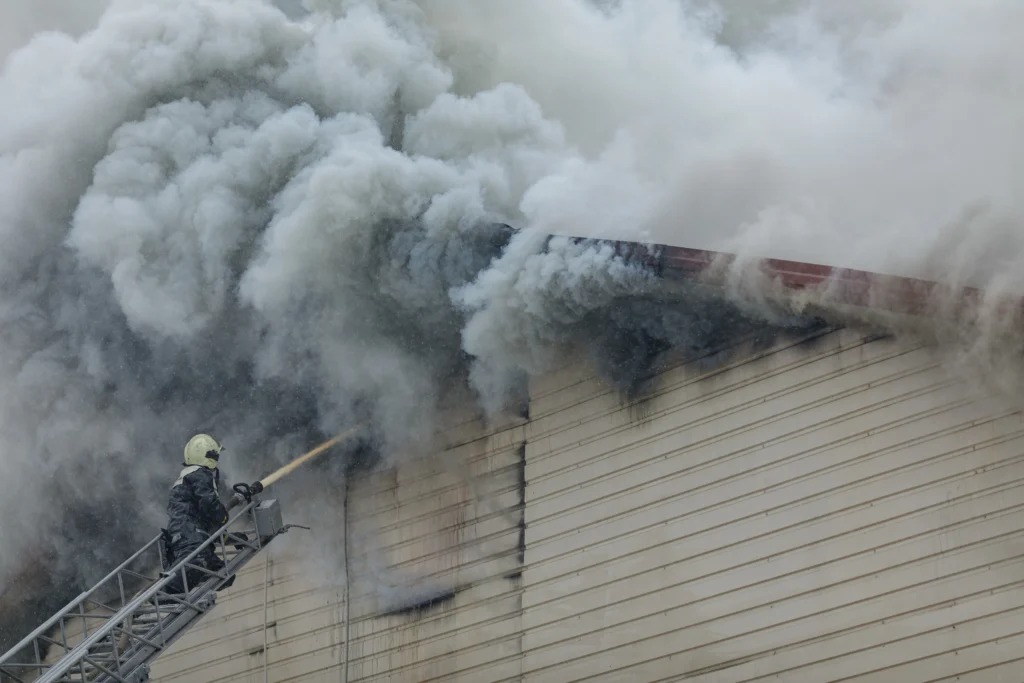
After a house fire, the visible flames are often only part of the damage. Smoke can spread throughout a property in minutes, affecting rooms that were never touched by fire. It can stain walls, contaminate furniture, damage electronics, and leave behind persistent odors that require specialized cleaning.
Unfortunately, smoke damage is also one of the most misunderstood aspects of a property insurance claim. Homeowners are often surprised to learn that smoke contamination can be difficult to evaluate and may become a point of disagreement during the claims process.
Understanding how smoke damage affects an insurance settlement can help homeowners better protect their rights and ensure all covered damage is properly documented.
Smoke Damage Often Extends Beyond the Fire
Smoke naturally travels through a home, entering areas far from the source of the fire.
Even a relatively small kitchen or electrical fire may allow smoke particles to reach:
- Bedrooms
- Closets
- Attics
- HVAC systems
- Insulation
- Cabinets
- Personal belongings
- Upholstered furniture
Because much of the contamination cannot be seen immediately, a thorough inspection is critical after any fire loss.
What Does a Smoke Damage Insurance Claim Typically Cover?
Every homeowners insurance policy is different, but many policies provide coverage for smoke damage resulting from a covered fire event.
Depending on the policy, coverage may include:
- Structural cleaning and repairs
- Smoke odor removal
- Soot cleanup
- Interior painting
- HVAC system cleaning
- Damaged personal belongings
- Temporary housing expenses if the home is uninhabitable
The extent of coverage depends on the policy language and the documented damage.
Smoke Damage Is More Than Cosmetic
Many homeowners assume smoke damage only involves dirty walls or lingering odors. In reality, smoke contains microscopic particles that can affect nearly every surface inside a home.
Smoke contamination may cause:
- Permanent staining
- Corrosion of metal surfaces
- Damage to electronics
- Contamination inside ductwork
- Odors trapped in insulation and drywall
- Damage to fabrics, carpets, and upholstery
Professional restoration companies often perform specialized testing to determine the full extent of smoke contamination.
Soot Damage Can Increase Repair Costs
Soot is a byproduct of incomplete combustion and often accompanies smoke damage.
Depending on the materials that burned, soot can become highly acidic and continue damaging surfaces even after the fire has been extinguished.
Soot commonly affects:
- Walls
- Ceilings
- Flooring
- Cabinets
- Appliances
- Plumbing fixtures
- Windows
- Decorative finishes
Prompt cleaning is important because soot can become more difficult to remove over time.
Why Smoke Damage Claims Become Disputed
Smoke damage claims can become complicated because much of the damage is not immediately visible.
Insurance companies may question:
- The extent of smoke contamination
- Whether damaged materials require replacement
- The source of lingering odors
- Cleaning versus replacement costs
- The condition of personal property before the fire
Without thorough documentation, homeowners may struggle to demonstrate the true scope of the loss.
Personal Property Is Often Overlooked
Smoke does not only affect the structure of a home. It can also damage valuable personal belongings.
Items commonly included in smoke damage insurance claims include:
- Clothing
- Furniture
- Electronics
- Artwork
- Family photographs
- Kitchen items
- Mattresses
- Children’s toys
Creating a detailed inventory helps support claims involving damaged personal property.
Hidden Smoke Damage Can Continue After the Fire
Smoke particles often settle in areas that are not immediately visible during an initial inspection.
Hidden contamination may remain inside:
- HVAC systems
- Air ducts
- Wall cavities
- Attics
- Crawl spaces
- Insulation
If these areas are not properly evaluated, odors and contamination can continue long after repairs are completed.
Documenting Smoke Damage Is Critical
One of the most important steps after a fire is documenting every area affected by smoke.
Helpful documentation includes:
- Photographs of every room
- Videos showing visible soot and staining
- Detailed inventory of damaged belongings
- Professional restoration reports
- Contractor estimates
- Air quality or contamination reports when available
The stronger the documentation, the easier it becomes to support the insurance claim.
How a Fire Damage Public Adjuster Can Help
Fire and smoke damage claims often involve extensive documentation, detailed repair estimates, and negotiations with the insurance company.
A public adjuster works on behalf of the policyholder by:
- Inspecting the property
- Identifying visible and hidden smoke damage
- Reviewing insurance coverage
- Preparing claim documentation
- Coordinating independent estimates
- Negotiating with the insurance carrier
Having professional representation can help ensure all covered damage is properly evaluated throughout the claims process.
Smoke Damage Frequently Occurs Alongside Other Covered Losses
A fire rarely damages only one part of a property.
Many smoke damage insurance claims also involve:
- Fire damage
- Water damage from firefighting efforts
- Structural damage
- Roof damage
- Electrical damage
Proper claim preparation should account for every covered loss resulting from the event.
Fire & Smoke Damage Claims for Residential Homes
Water Damage Claims for Residential Homes
Areas We Serve Across Rhode Island
For a complete list of service areas, visit our Public Adjuster Rhode Island page.
L & M Public Adjusters proudly assists homeowners throughout Rhode Island, including:
- Providence
- Cranston
- Warwick
- Newport
- Westerly
- South Kingstown
- Narragansett
- Woonsocket
- Block Island
Protect Your Smoke Damage Insurance Claim
Smoke damage can affect far more than what is visible after a fire. Hidden contamination, soot residue, and lingering odors can significantly increase repair costs and impact your insurance settlement if they are not properly documented.
If your property has been affected by smoke damage, L & M Public Adjusters can help you understand your policy, document the full extent of your loss, and navigate the insurance claims process with confidence.